OUR TEAM
ANALYSTS
Our research team provides the day-to-day in-depth reporting and analysis that drives the work of VHPI.

-
Senior Policy Analyst
Suzanne Gordon is an award-winning journalist and author. She has written for The New York Times, The Los Angeles Times, The Washington Post, The Atlantic, The Nation, The Washington Monthly, The American Prospect, The Boston Globe, The Globe and Mail, JAMA, The Annals of Internal Medicine, The British Medical Journal, and others.
She was the co-editor of the Culture and Politics of Health Care Work series at Cornell University Press. Suzanne is the author,editor, or co-author of 21 books. Her books on veterans issues include Wounds of War: How the VA Delivers Health, Healing, and Hope to the Nation’s Veterans and The Battle for Veterans’ Healthcare: Dispatches from the Frontlines of Policy Making and Patient Care and Our Veterans: Winners, Losers, Friends, and Enemies on the New Terrain of Veterans Affairs. Her other books on health care include Life Support: Three Nurses on the Front Lines, Beyond the Checklist: What Else Healthcare Can Learn from Aviation Teamwork and Safety. She received the DAV’s Special Recognition Award for her writing on veterans’ healthcare.
-
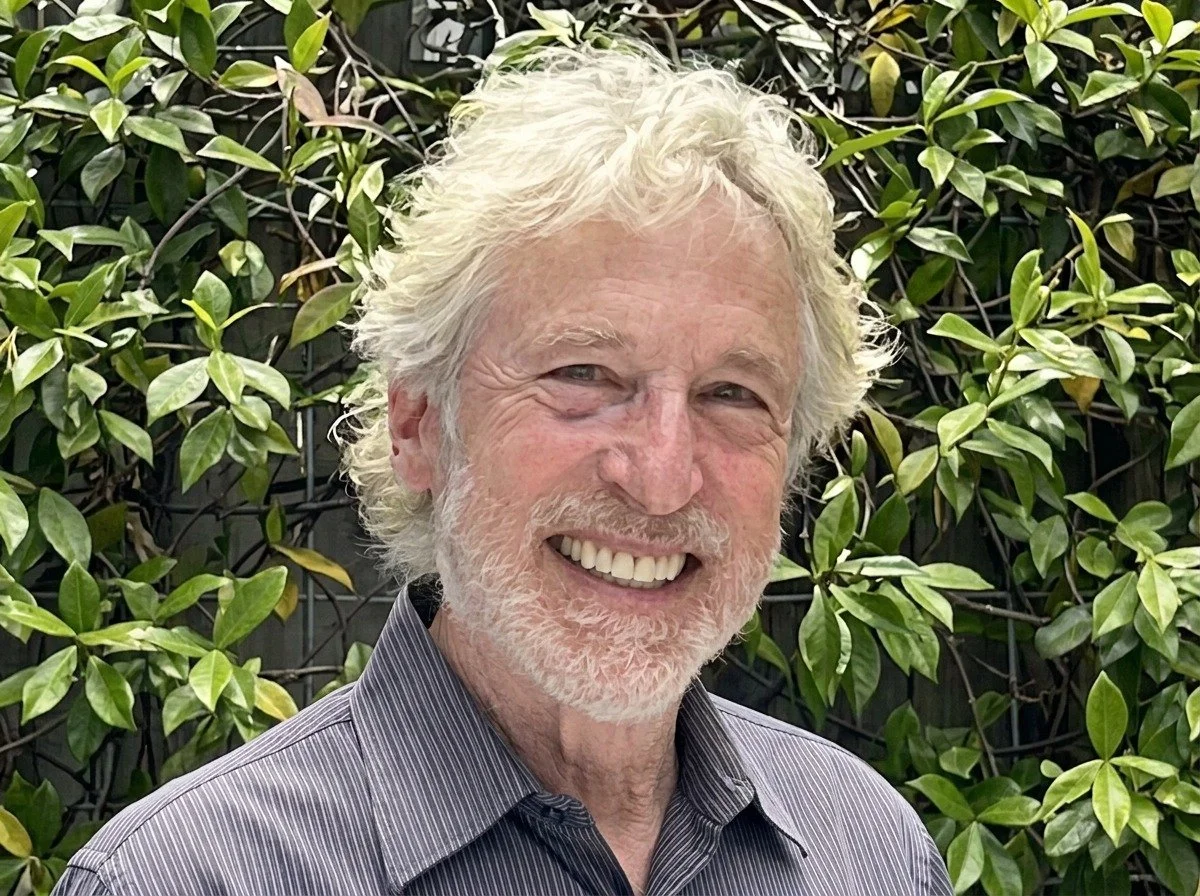
Senior Policy Analyst
Russell B. Lemle, PhD, the son of a WWII U.S. Navy veteran, is a Senior Policy Analyst for the Veterans Healthcare Policy Institute. From 1981 to 2019, he worked for the San Francisco VA Healthcare System, the last 25 years as Chief Psychologist.
He’s authored numerous scientific publications and media commentaries, including in The Hill, Task & Purpose, The American Prospect, Washington Monthly, Federal Practitioner, Guns & Ammo and California Firing Line on the prevention of firearm suicide and the looming decimation of the VA resulting from explosive outsourcing of veterans’ health care to the private sector. Dr. Lemle has been widely recognized for his contributions to veterans’ health care policy and firearm suicide prevention, including the American Psychological Association (APA) Division 18 Harold Hildreth Award (2011), Association of VA Psychologist Leaders (AVAPL) Antonette Zeiss Distinguished Career Award (2013), AVAPL Patrick DeLeon Advocacy Award (2016), the Disabled American Veterans’ Special Recognition Award for Veterans Health Care Advocacy (2020), and APA Award for Distinguished Contributions to Psychology in the Public Interest- Senior Career (2024). In 2017, the AVAPL Russell B. Lemle Leadership Award was established in his honor. He was a member of the Presidential PREVENTS task force and has testified to Congress on veterans’ mental health policy.

-
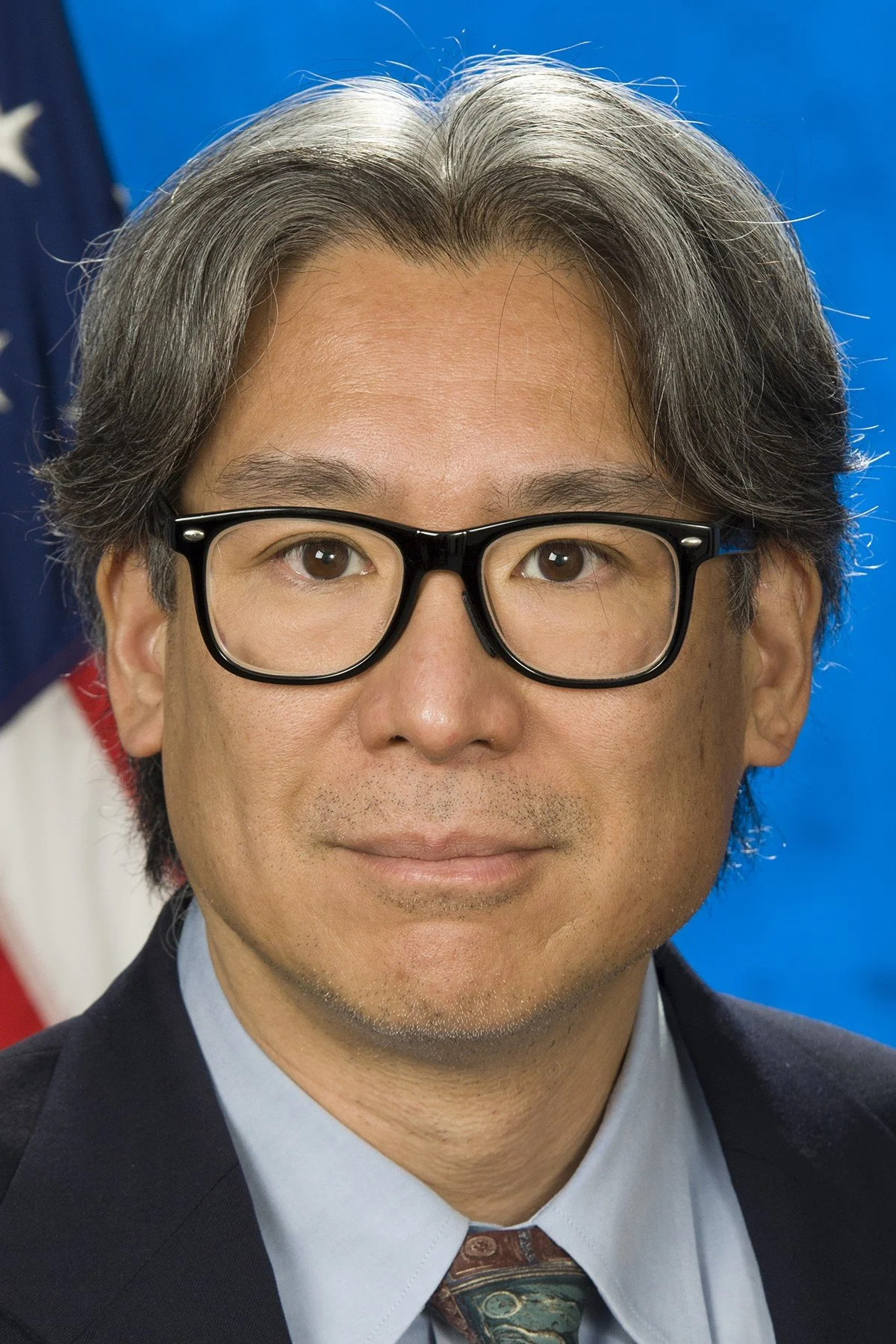
Reporting Fellow
Jasper Craven writes about the military and veterans' issues for outlets including Politico Magazine, The American Prospect, The New York Times, The Boston Globe, The Chicago Tribune, and Vermont Digger.
He is presently focused on military and veterans' issues, where he has written about snake oil salesmen hocking dubious PTSD treatments, untoward corporate and ideological lobbying over veterans' policy, and corruption inside the Vermont National Guard. He co-authored the 2022 book Our Veterans: Winners, Losers, Friends, and Enemies on the New Terrain of Veterans Affairs.
STEERING COMMITEE
The Steering Committee oversees the strategic and tactical operation of the Veterans Healthcare Policy Institute. Steering Committee members assist in identifying areas of study, educating key stakeholders, and providing direction to the fellows and policy analysts.
Executive Director
-
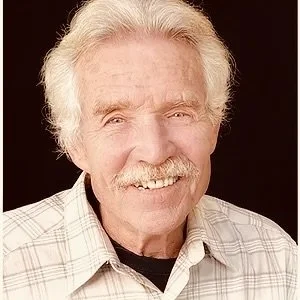
Bruce Carruthers is an Army Vietnam veteran and a retired VA employee. He retired from the Senior Executive Service after a 30-year career. Bruce spent half his career in human resources and the other half in hospital management.
He worked at ten VA locations, including VA Medical Centers in Wilkes-Barre, PA; Tacoma, WA; Lexington, KY; Birmingham, AL, Denver, CO; and a stint in VA Central Office, where Bruce served as a Health System Specialist and Acting Deputy Regional Director for VA facilities in the Southeast. Bruce serves on the Veterans for Peace Save Our VA national campaign Steering Committee, and he is the past president of the Asheville, NC Veterans for Peace chapter. He is a member of Common Defense and Disabled Veterans of America. He holds an undergraduate degree from the University of Iowa, and master’s degrees from Syracuse University (sociology), the University of Colorado at Denver (healthcare management), and Wichita State University (history). Bruce has taught courses in sociology, healthcare management, and history at several institutions, including the State University of New York at Cortland, the University of Kentucky Martin School of Policy and Administration, Transylvania University, and the University of Kansas.
-
Jasper Craven writes about the military and veterans' issues for outlets including Politico Magazine, The American Prospect, The New York Times, The Boston Globe, The Chicago Tribune, and Vermont Digger.
He is presently focused on military and veterans' issues, where he has written about snake oil salesmen hocking dubious PTSD treatments, untoward corporate and ideological lobbying over veterans' policy, and corruption inside the Vermont National Guard. He co-authored the 2022 book Our Veterans: Winners, Losers, Friends, and Enemies on the New Terrain of Veterans Affairs.
-
Suzanne Gordon is an award-winning journalist and author. She has written for The New York Times, The Los Angeles Times, The Washington Post, The Atlantic, The Nation, The Washington Monthly, The American Prospect, The Boston Globe, The Globe and Mail, JAMA, The Annals of Internal Medicine, The British Medical Journal, and others.
She was the co-editor of the Culture and Politics of Health Care Work series at Cornell University Press. Suzanne is the author,editor, or co-author of 21 books. Her books on veterans issues include Wounds of War: How the VA Delivers Health, Healing, and Hope to the Nation’s Veterans and The Battle for Veterans’ Healthcare: Dispatches from the Frontlines of Policy Making and Patient Care and Our Veterans: Winners, Losers, Friends, and Enemies on the New Terrain of Veterans Affairs. Her other books on health care include Life Support: Three Nurses on the Front Lines, Beyond the Checklist: What Else Healthcare Can Learn from Aviation Teamwork and Safety. She received the DAV’s Special Recognition Award for her writing on veterans’ healthcare.
-
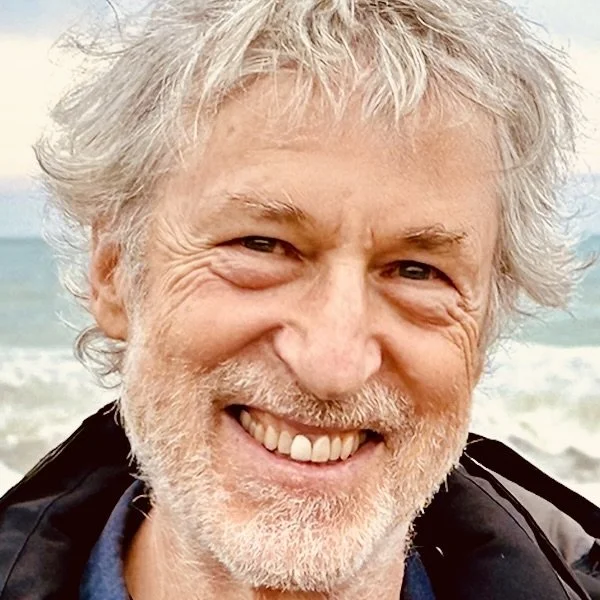
Russell B. Lemle, PhD, is a Senior Policy Analyst for the Veterans Healthcare Policy Institute. From 1981 to 2019, he worked for the San Francisco VA Healthcare System, the last 25 years as Chief Psychologist.
He’s authored numerous scientific publications and media commentaries, including in The Hill, Task & Purpose, The American Prospect, Washington Monthly, Federal Practitioner, Guns & Ammo and California Firing Line on the prevention of firearm suicide and the looming decimation of the VA resulting from explosive outsourcing of veterans’ health care to the private sector. Dr. Lemle has been widely recognized for his contributions to veterans’ health care policy and firearm suicide prevention, including the American Psychological Association (APA) Division 18 Harold Hildreth Award (2011), Association of VA Psychologist Leaders (AVAPL) Antonette Zeiss Distinguished Career Award (2013), AVAPL Patrick DeLeon Advocacy Award (2016), the Disabled American Veterans’ Special Recognition Award for Veterans Health Care Advocacy (2020), and APA Award for Distinguished Contributions to Psychology in the Public Interest- Senior Career (2024). In 2017, the AVAPL Russell B. Lemle Leadership Award was established in his honor. He was a member of the Presidential PREVENTS task force and has testified to Congress on veterans’ mental health policy.
-
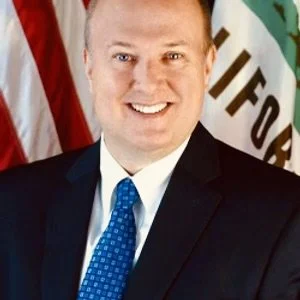
In 2025, Paul retired after more than three decades of Veteran advocacy. He most recently worked as the Director of Veteran Outreach at Bergmann & Moore, a national law firm managed by VA-accredited attorneys providing training and appellate litigation support to Veterans and advocates. His outreach to national Veteran Service Organizations (VSOs) resulted in VA disability claim appeal representation agreements between B&M and the Veterans of Foreign Wars, The American Legion, the California Department of Veterans Affairs, plus other VSOs and state agencies.
Paul's government advocacy experience includes his appointment by California Governor Brown to be a Deputy Secretary at CalVet in Sacramento and his career federal service as a GS-14 project manager at VA central office in Washington, DC. His non-profit advocacy includes serving as the executive director at the National Gulf War Resource Center and Veterans for Common Sense (he currently serves on the VCS board of directors).
While working at various non-profits, Paul successfully fought for VA’s Veteran’s Crisis Line as well as improved access to VA medical care and disability benefits for PTSD and Gulf War illness. He is a national expert investigating claim sharks - criminal enterprises representing and charging fees to Veterans seeking VA disability benefits.
Paul's military service includes deployment as a cavalry scout in the Army’s 1st Armored Division during the 1991 Gulf War ground invasion of Iraq and Kuwait. He earned his undergraduate degree in political science at West Georgia College, and his master’s certificate in project management at George Washington University.
ADVISORY BOARD
The Advisory Board, a group of medical, policy, and administrative professionals, offer key insight into veterans’ health care programs. Advisors provide direction to VHPI’s fellows and analysts, recommend areas of study, and connect our research team to experts and resources.
-
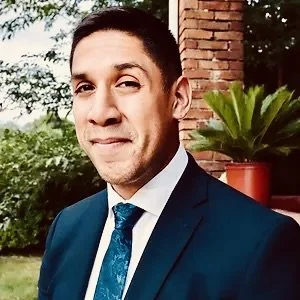
Oscar Arbulu is a proud first generation American and native San Franciscan. Graduating from Archbishop Riordan College Preparatory in 1998, Oscar went on to enlist in the United States Marine Corps Reserves as he attended community college. Oscar was part of the 23rd Marines Regiment, 4th Division, where as a logistical manager, he helped monitor and promote the reginament’s operational readiness.
After being honorably discharged in 2006, Oscar began a career in music and production and successfully produced two hip hop albums. In 2016 he earned his degree in International Relations at Sacramento State University, and in 2017, Oscar and his partner moved to Michigan where he pursued a career in electoral politics. Joining the Rashida Tlaib For Congress Campaign in 2018 as a Field Organizer, he worked with a team that successfully elected Rashida Tlaib, the first Palestinian American woman to the US House of Representatives. Oscar continued to work for the Congresswoman in several capacities, most recently as her Campaign Manager in 2022. Oscar is now back in San Francisco and is married to his partner Tianna of 14 years. He enjoys participating in Brazilian jiu-jitsu, riding his motorcycle, and changing his son’s diapers.
-
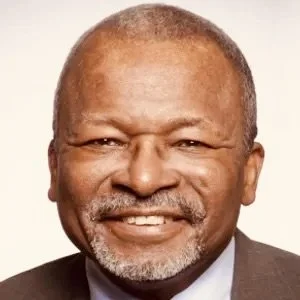
Dr. H. Westley Clark is a highly respected public health expert in the field of substance abuse treatment. He is formerly the Director of the Center for Substance Abuse Treatment, Substance Abuse and Mental Health Services Administration (SAMSHA), U.S. Department of Health and Human Services, where he led the agency’s national effort to provide effective and accessible treatment to all Americans with addictive disorders.
Clark was also the former chief of the Associated Substance Abuse Programs at the U.S. Department of Veterans Affairs Medical Center in San Francisco, California and a former associate clinical professor, Department of Psychiatry, University of California at San Francisco (UCSF). Clark served as a senior program consultant to the Robert Wood Johnson, Substance Abuse Policy Program and as a co-investigator on a number of the National Institute on Drug Abuse-funded research grants. He also worked for Sen. Edward Kennedy (MA) as a health counsel on the U.S. Senate Committee of Labor and Human Resources.
-
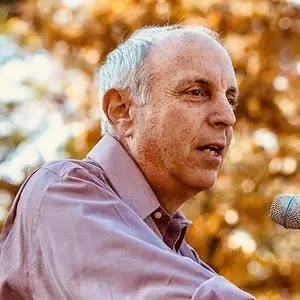
Larry Cohen currently chairs the board of Our Revolution, the successor organization to Bernie Sanders’ 2016 presidential campaign. Cohen served as President of the 600,000 member Communications Workers of America from 2005-2015, and spent nearly all of his adult life as a member, organizer, and officer.
Cohen is also a member of the Democratic National Committee, and was appointed by Sanders as vice-chair of the Unity Reform Commission whose mandate is to democratize the party structures and presidential nominating process.
-
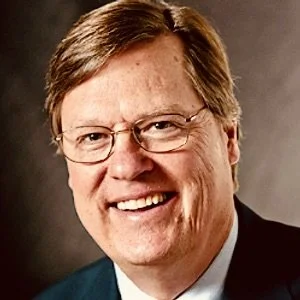
Hugh Foy is Professor Emeritus of Surgery at the UW School of Medicine. He served as an attending surgeon in General, Burn and Surgical Critical Care at Harborview Medical Center, the Level I Trauma center in Seattle for 28 years from 1991-2019 until his retirement in September 2019.
Prior to returning to Harborview in 1991, he practiced at a UW affiliated teaching hospital, Pacific Medical Center for 5 years following his 6 years of residency in General Surgery and Burn and Critical Care Surgery at the UW. His surgical career encompassed all phases of trauma and general surgery with an emphasis on GI surgery, abdominal reconstruction, soft tissue infection and critical care. His other academic efforts have focused on medical and surgical education. He served as the UW General Surgery residency program director for 9 years and was a founding head of one of the UW School of Medicine’s Colleges where he enjoyed teaching medical students for 16 years balancing his clinical work as a trauma/critical care surgeon. He is also a founding member and former member of the board of the Western Washington Chapter of PNHP, Physicians for a National Health Care Program.
-
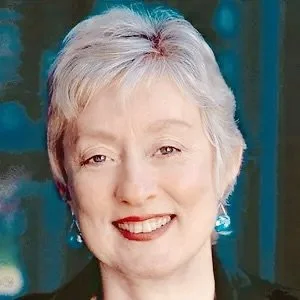
Charlene Harrington, Ph.D., RN has been a professor of sociology and nursing at the University of California San Francisco since 1980. She was elected to the American Academy of Nursing and the Institute of Medicine (now the Academies of Medicine).
Her research has included designing and managing a model California long-term care consumer information system website (2002-2016); studying state Medicaid home and community-based service programs and policies (1994 to 2016); directing the National Center for Personal Assistance Services (2003-2013), and assisting with a new Community Living Policy Center funding (2013-2017). She has testified before the U.S. Congress on long term care research and policy, written many articles and books on nursing homes and long term care, and lectured widely in the U.S. and internationally.

-
Bridget Lattanzi is an Iraq veteran who served in the Illinois National Guard for 19 years. She was deployed to Iraq in 2004-2005 where she was a mechanic in a maintenance unit. She was deployed to Camp Anaconda in Baland, Iraq. Camp Anaconda was the second-largest US base in Iraq and was nicknamed “Mortarville” because of the many mortar attacks it sustained.
Because it was such a large base, it was also known for its problems with burn pits. Since she left the National Guard, Bridget Lattanzi has pursued a certification in Veterans Services at the College of Dupage and is now a student in the VA’s Vocational Rehabilitation Program and is will be studying Human Resources. Bridget also did a fellowship with The Mission Continues and an internship with the Allen Force. She is a patient at the Jesse Brown VA Medical Center.
-
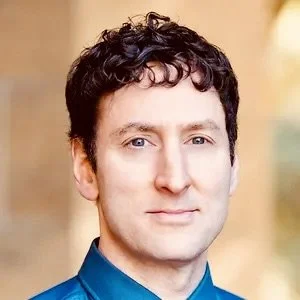
Edward Machtinger, M.D., is a Professor of Medicine and Director of the Women’s HIV Program (WHP) at the University of California, San Francisco (UCSF). He is a national thought leader and advocates for using trauma-informed approaches to more effectively address complex health and behavioral conditions, and to improve the resiliency and joy of care providers.
The specific focus of Dr. Machtinger’s research and innovation has been to develop and evaluate a scalable model of trauma-informed primary care suitable for any population. He has consulted about trauma-informed care for multiple federal agencies and foundations and is currently a consultant for the Substance Use and Mental Health Administration (SAMHSA), co-authoring federal guidance on trauma-informed primary care. He is a graduate of Harvard Medical School and performed his residency in internal medicine at UCSF.
-
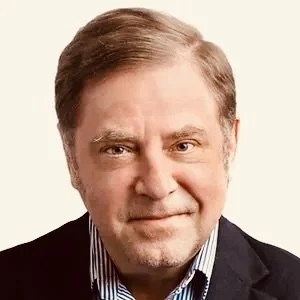
Phil Longman is a lecturer at Johns Hopkins University and a senior editor at Washington Monthly. He is also the policy director at the Open Markets Institute, where he is currently researching the effects of concentration in health care. Mr. Longman was appointed by Senate President Harry Reid to serve on the Commission on Care, a federal panel charged with creating a strategic plan for the future of veterans’ health care.
He has written extensively on VA health care, including his book Best Care Anywhere: Why VA healthcare would be Better for Everyone, now in its third edition. Mr. Longman lives in Washington, D.C. with his wife, Sandy, and son, Sam.
-
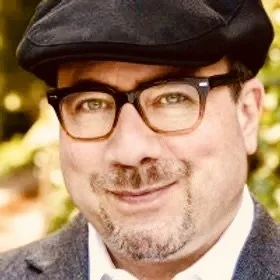
Craig Newmark is a web pioneer, philanthropist, and leading advocate. Most commonly known for founding the online classified ads service craigslist, he works to support and connect people and drive broad civic engagement in areas that include trustworthy journalism and the information ecosystem, voter protection, women in technology, and veterans and military families.
At its core, all of Newmark’s philanthropic work helps to strengthen American democracy by supporting the values that the country aspires to – fairness, opportunity, and respect. Newmark serves on the board of directors of numerous organizations, including Blue Star Families, the Center for Public Integrity, Craig Newmark Graduate School of Journalism at the City University of New York, Girls Who Code, Iraq and Afghanistan Veterans of American, Poynter Foundation, Sunlight Foundation, VetsinTech, and Women in Public Service Project. He also serves on the Board of Overseers of the Columbia Journalism Review and on the advisory board of nearly twenty other nonprofit organizations, including DonorsChoose.org, EFF, New America Foundation, Voto Latino, Wikimedia Foundation, and Women Who Tech.

-
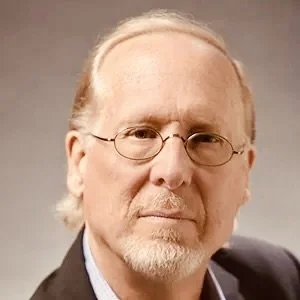
Dr. Andrew Pomerantz is the National Mental Health Director for Integrated Services in the Veterans Health Administration and Associate Professor of Psychiatry at the Geisel School of Medicine at Dartmouth. He was a primary care physician in Chelsea, Vermont from 1972-1984, prior to training in psychiatry.
He joined the White River Junction, Vermont VA and Dartmouth faculty in 1987 and served as the VA Chief of Mental Health and Behavioral Sciences from 1992 until 2010 and was Associate Director of Residency Training at Dartmouth for over a decade during that time. During his tenure as service chief, he was widely recognized for many innovations, including provision of mental health care in community-based outpatient clinics in the 1990s, developing partnerships with state and other non-VA agencies, a partnership with the National Guard, telehealth and integrating mental health services into primary care. Since beginning his current position in VA Central Office in 2011 he has led the national development and implementation of mental health services in the VA Patient Aligned Care Team (the VA patient centered medical home. More recently he has played a key role in advancing patient centered care, pain management and treatment of substance use disorders in primary care.
-
Dr. Josef Ruzek retired as Director of the VA National Center for PTSD Dissemination and Training Division in April 2018, after helping improve PTSD services in VA for over 26 years. Ruzek is an Adjunct Professor at Stanford University Department of Psychiatry and Behavioral Sciences and Co-Director of the Center for m2 Health at Palo Alto University.
He has been a member of the VHA Undersecretary’s Special Committee on PTSD and served as psychotherapy champion for the joint VA-DoD Clinical Practice Guideline for Management of Traumatic Stress. Ruzek specializes in early intervention to prevent the development of PTSD, dissemination of evidence-based treatments for PTSD, and development and evaluation of internet and smartphone-based interventions for trauma survivors. His team at the National Center for PTSD developed widely used apps for veterans, including PTSD Coach and PTSD Family Coach.
-
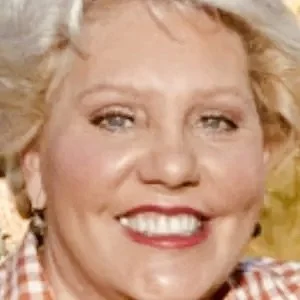
Dorothy Salmon is a civic and business leader in Napa County. Salmon was the first woman President of the Napa Rotary Club. She was President of the Board of The Pathway Home Inc, a residential program that served veterans with PTSD and other mental health problems. Salmon has been the sponsorship chair for Cycle4Sight Rotary Ride for Veterans for 14 years raising over a million dollars to fund veterans programs.
As a leader in the Rotary Club, Salmon launched a pioneering partnership between Rotary Clubs and the Martinez VA’s Post Deployment Assessment Treatment Program for Iraq and Afghanistan Veterans. She was the driving force behind the production of the Rotary Club book Serving Those Who Have Served: How Rotary Clubs Can Form Partnerships that Better Support Our Nation’s Veterans.

-
Jay Youngdahl is presently a Visiting Research Scholar at the Murphy Institute at City University of New York (CUNY). Prior to this, he was a Fellow at Harvard University in Ethics as well as in Responsible Investment. A lawyer, he is a partner in The Youngdahl Law Firm in Houston, Texas where he represented workers and unions.
Youngdahl served with the Third Armored Division in the U.S. Army. He was honorably discharged in 1974 as a Private First Class.
-
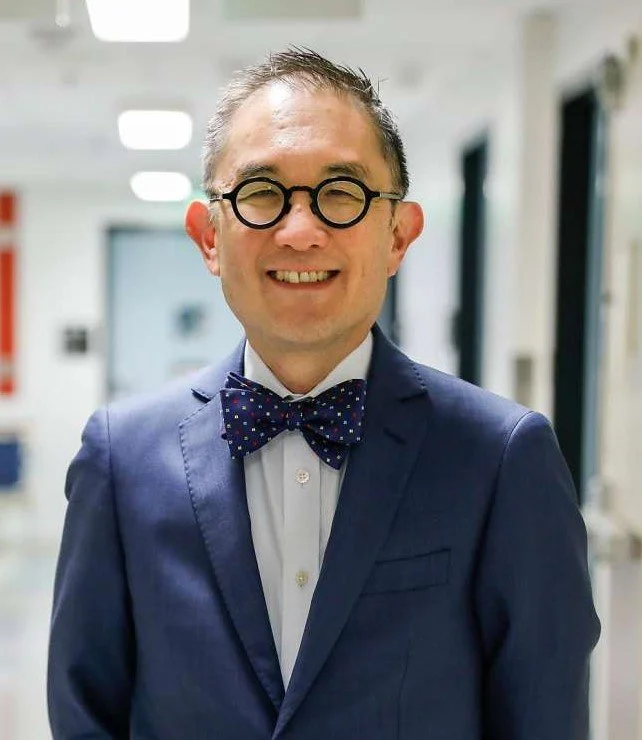
Dr. Lee is a Professor Emeritus of Clinical Psychiatry and the Vice Chair for Faculty Affairs in the Department of Psychiatry and Behavioral Sciences at the University of California, San Francisco (UCSF), where he serves as the Psychiatry Clerkship Director; he was also the UCSF Endowed Chair of Psychiatry Medical Student Education from 2023 to 2026. From 1996 to 2025, he worked at the San Francisco Veterans Affairs Health Care System, where he served as the Director of the Psychiatry Consultation Unit, the Associate Chief of Psychiatry, and the Chair of the Pharmacy and Therapeutics Committee. He is a Distinguished Life Fellow of the American Psychiatric Association and a Fellow of the Academy of Consultation-Liaison Psychiatry. His scholarly interests include medical education, clinical reasoning, and education about firearm injury prevention.
-
Senior Research Analyst
Ernest Moy, MD, MPH, is a board-certified internist with over 30 years of experience leading teams to improve population health and health care quality
and equity in academia, non-profit, and federal service. His career began at
the University of Maryland School of Medicine and Baltimore VA Medical
Center where he served as a staff physician, trained medical students and
residents, and conducted research on health care access and quality. He then
spent 5 years as an Assistant Vice President at the Association of American
Medical Colleges helping academic medical center directors and medical
school deans understand and advance their clinical, educational, and
research missions.
For 15 years, Ernest worked in the Agency for Healthcare Research and
Quality Center for Quality Improvement and Patient Safety directing the
annual production of the Congressionally-mandated National Healthcare
Quality and Disparities Reports and developing tools to support Patient Safety
Organizations. This work required extensive coordination of federal public
health agencies including CDC, CMS, HRSA, SAMHSA, and VA. For 2 years,
he served as an expert advisor at the CDC National Center for Health
Statistics, supporting modernization of Healthy People and Health United
States products and building linkages of public health data to improve
understanding of rural health disparities.
In 2018, Ernest returned to VA as the Executive Director of the Office of
Health Equity to lead efforts to use population health to guide quality
improvement in the Nation's largest health system. These efforts include
engaging Veterans, providers, researchers, and quality improvement
specialists to develop novel approaches for identifying quality and equity
problems and designing effective and efficient interventions. He implemented
an Equity Guided Improvement Strategy that provides support at three levels:
1) structural, replacing biased clinical tools and policies with neutral ones; 2)
upstream, screening patients for health-related social needs and matching
them with community partners to deliver needed resources; and 3)
downstream, working with providers to identify and reduce disparities in
access to high quality care. This work was integrated with High Reliability
Organization and LEAN activities and enabled VA facilities to excel at Joint
Commission National Patient Safety Goals.
Last year, Ernest retired from federal service.
-
Administrative Officer
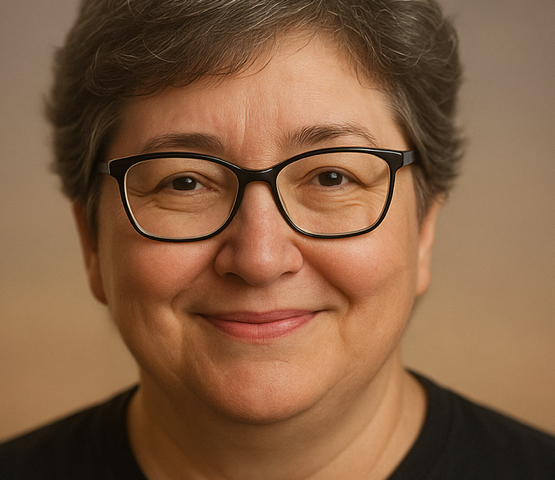
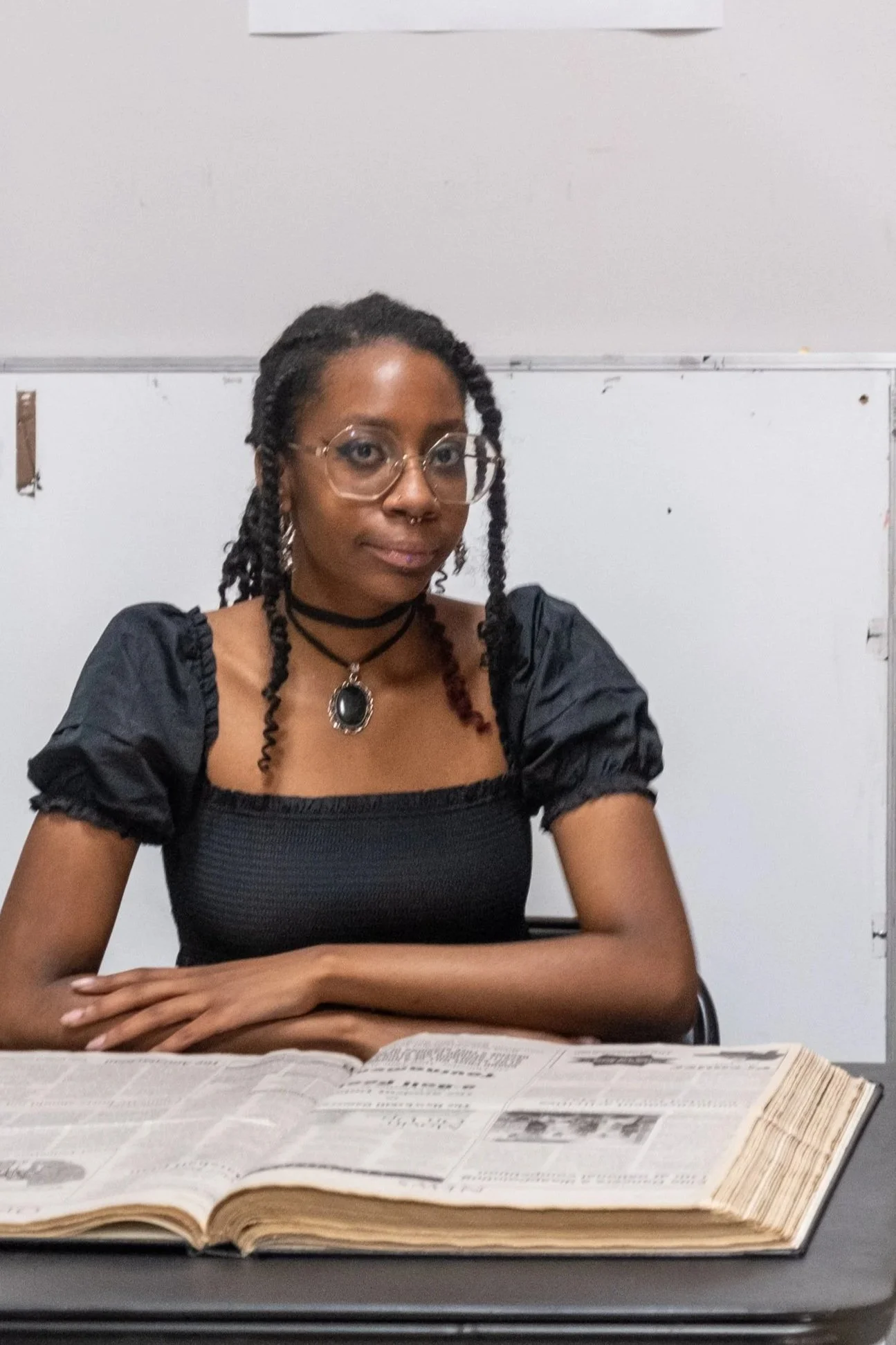
Monik Slade is the Administrative Officer for VHPI, overseeing internal and external communications, including newsletter creation, meeting management, and email monitoring. She also fact-checks and assists with VHPI’s research projects.
Her journalism is published with The American Prospect, Inequality Media, and More Perfect Union. Her fiction is published with The Raven Review and Sundress Publications.
-
Theresa Aldrich is a Navy veteran and founder of HadIt.com, a veteran community platform that has served as the leading resource for VA disability claims guidance since 1997. Over 29 years, she has helped hundreds of thousands of veterans navigate the VA benefits system and successfully pursue their service-connected claims.
Aldrich is creator of Tbird's Quiet Fight, a Substack publication focused on investigative journalism and veteran advocacy. She has been quoted in The American Prospect on veteran disability policy and threats to the compensation system. She conducts in-depth research on corporate structures, policy networks, and the organizations seeking to privatize VA services or cut disability compensation. As a service-connected disabled veteran, she provides both technical expertise on the VA claims process and firsthand understanding of how the disability system supports veterans' long-term wellbeing. Her early identification of Congressional threats to disability benefits—including the 2025 Senate hearing attacking the VA compensation system—helped mobilize veteran community opposition to proposed cuts affecting nearly 7 million veterans.He also advocates for aid to the children of AO-exposed U.S. Vietnam veterans. Paul believes that comprehensive, integrated care is integral to veterans health and wellness. He proudly uses the Veterans Health Administration. He has related his Vietnam War experiences to thousands of high school and college students around the United States. He is a member of the American Legion Post 315 and is the Chair of the American Legion War Memorial Commission working to preserve veterans’ access to the SF Veterans Building. He is also a founder of Veterans For Peace Chapter 69 and Hoa Binh (Vietnam) Chapter 160. He is a life member of Veterans of Foreign Wars. Paul is a licensed civil engineer thanks to the GI Bill.
-
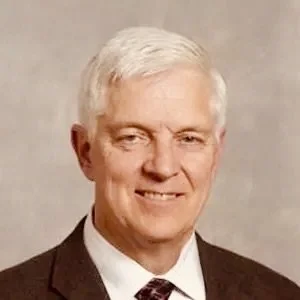
Paul Cox is a Marine veteran, serving from 1968-1972, with 18 months in Vietnam as an infantryman. Paul has returned to Vietnam four times since 2008 to help inform his advocacy for the United States to assist the Vietnamese in eliminating the continuing deadly legacies of the war—unexploded ordnance (UXO) and Agent Orange/dioxin (AO) contamination.
He also advocates for aid to the children of AO-exposed U.S. Vietnam veterans. Paul believes that comprehensive, integrated care is integral to veterans health and wellness. He proudly uses the Veterans Health Administration. He has related his Vietnam War experiences to thousands of high school and college students around the United States. He is a member of the American Legion Post 315 and is the Chair of the American Legion War Memorial Commission working to preserve veterans’ access to the SF Veterans Building. He is also a founder of Veterans For Peace Chapter 69 and Hoa Binh (Vietnam) Chapter 160. He is a life member of Veterans of Foreign Wars. Paul is a licensed civil engineer thanks to the GI Bill.
-
Oscar Arbulu is a proud first generation American and native San Franciscan. Graduating from Archbishop Riordan College Preparatory in 1998, Oscar went on to enlist in the United States Marine Corps Reserves as he attended community college. Oscar was part of the 23rd Marines Regiment, 4th Division, where as a logistical manager, he helped monitor and promote the reginament’s operational readiness.
After being honorably discharged in 2006, Oscar began a career in music and production and successfully produced two hip hop albums. In 2016 he earned his degree in International Relations at Sacramento State University, and in 2017, Oscar and his partner moved to Michigan where he pursued a career in electoral politics. Joining the Rashida Tlaib For Congress Campaign in 2018 as a Field Organizer, he worked with a team that successfully elected Rashida Tlaib, the first Palestinian American woman to the US House of Representatives. Oscar continued to work for the Congresswoman in several capacities, most recently as her Campaign Manager in 2022. Oscar is now back in San Francisco and is married to his partner Tianna of 14 years. He enjoys participating in Brazilian jiu-jitsu, riding his motorcycle, and changing his son’s diapers.
The Outreach team manages the Veterans Healthcare Policy Institute’s daily activities, including social media, newsletters, and communication supervision.